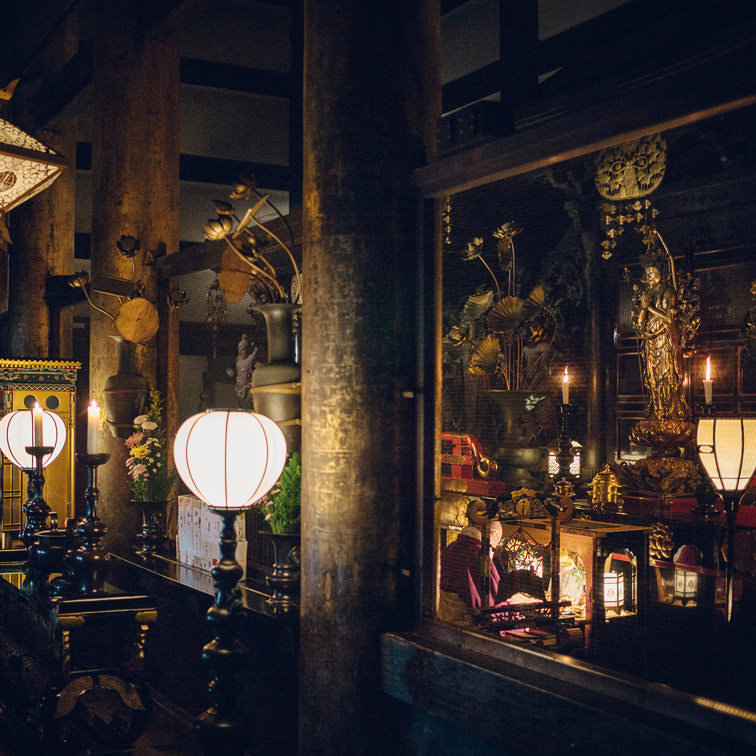
- The Eleven Headed and Thousand Armed Kannon Bodhisattva, the principal image of Kiyomizu-dera

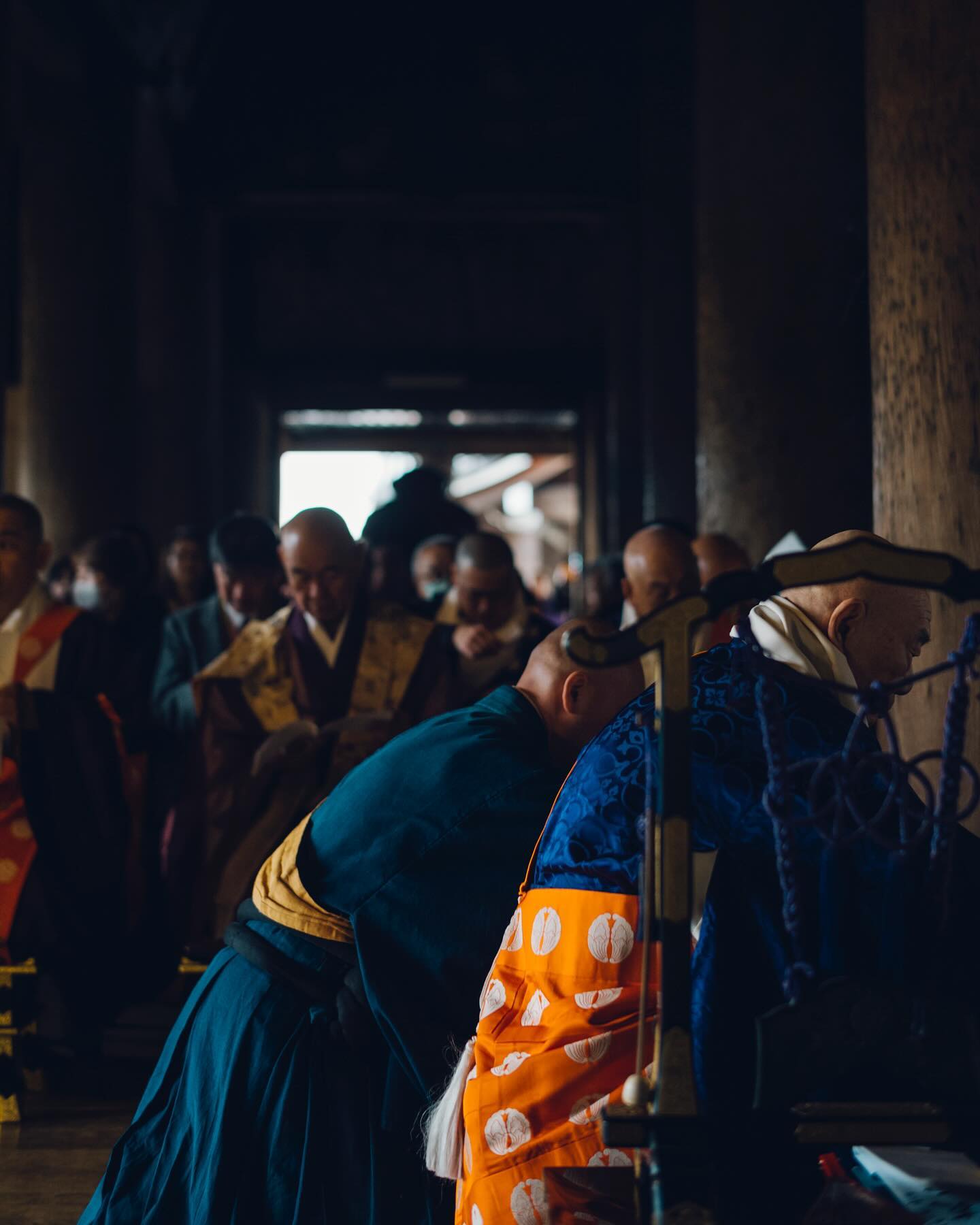
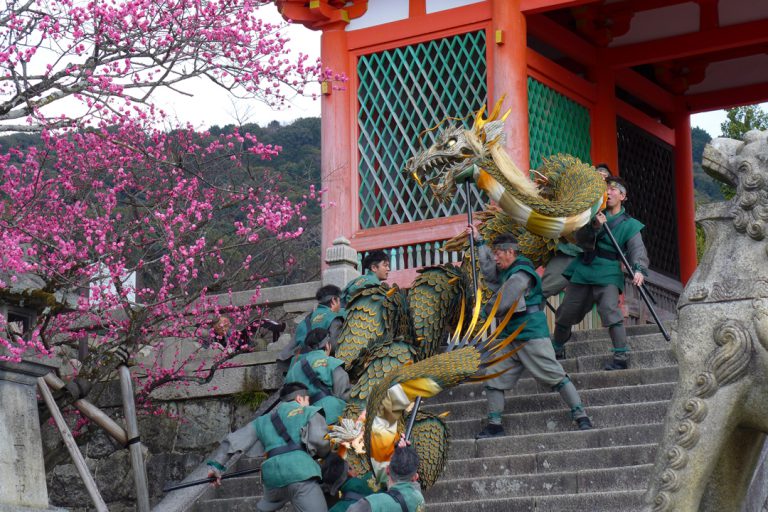
- Kiyomizu-dera is the temple of the Goddess of Mercy, a symbol of religious belief for more than 1,200 years. Many tourists from overseas visit the temple.

- Otowa Waterfall, where visitors can drink the sacred Otowa Water from a ladle

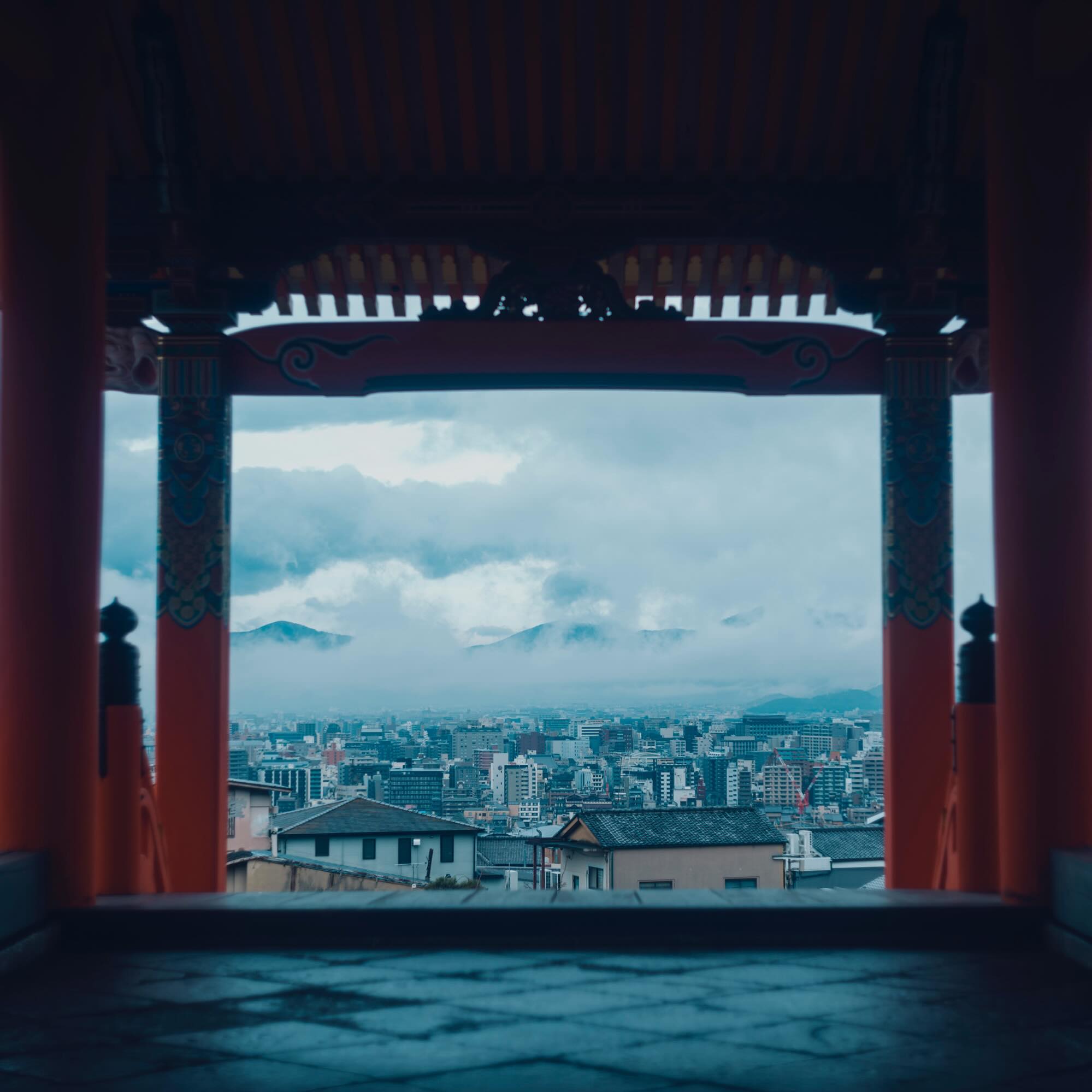
- The Deva gate and three-storied pagoda (left)

- The Deva kings guarding the temple on both sides of the Deva gate.

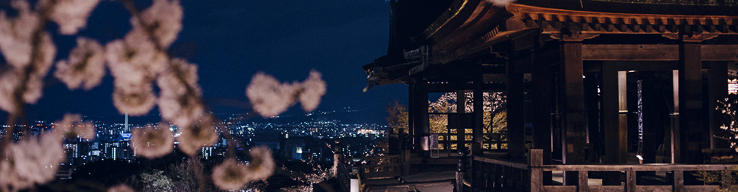
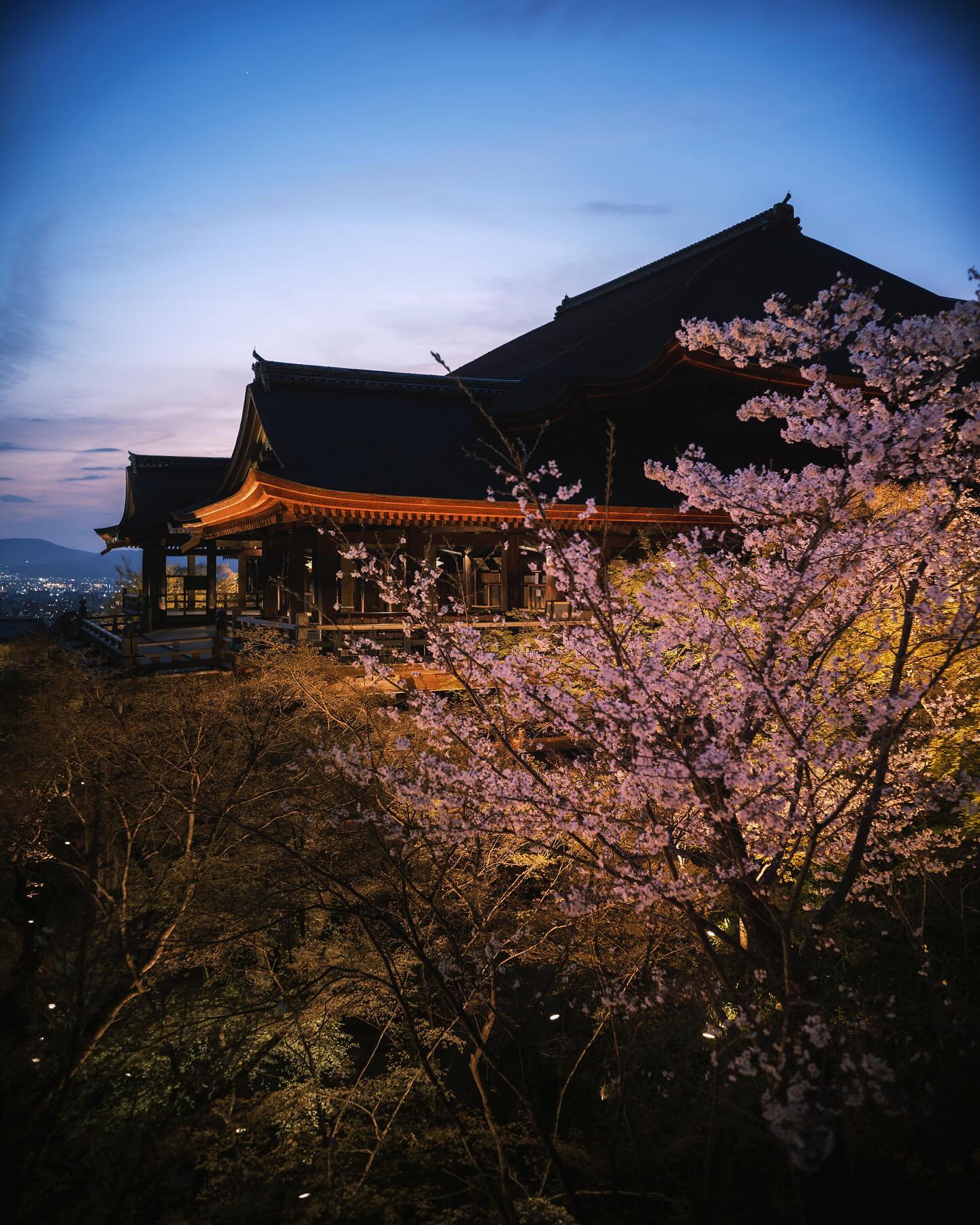
- The site is open at night three times a year in spring, summer and autumn, when the temple buildings are beautifully illuminated.

- Thousand Day Visit, an opportunity to visit at night, held from August 14 to 16 every year

- Amitabha hall

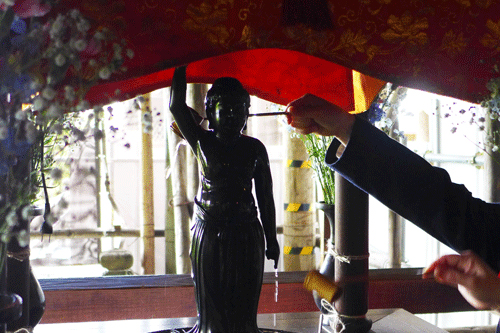
- A number of children's guardian deities were collected and brought here from a town

- Gautama Buddha hall

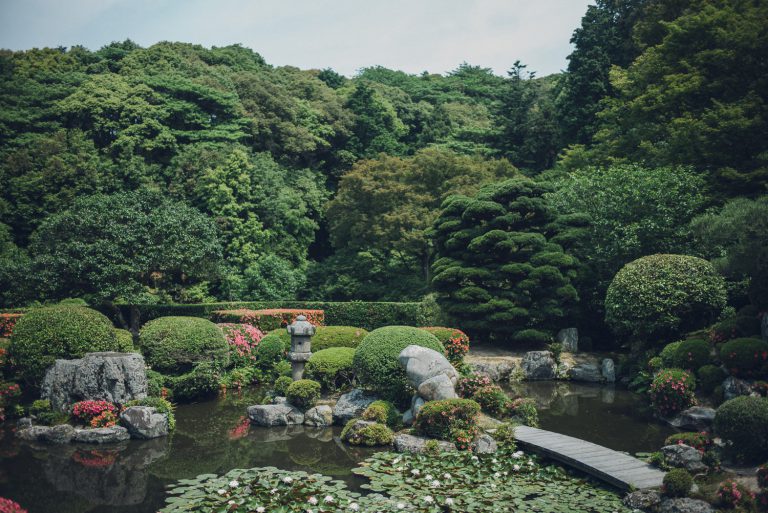
- Jojuin garden, known as the "Moon Garden"

- The site extends over the side of Otowa Mountain.
Located halfway up Otowa Mountain in the eastern part of Kyoto City, Kiyomizu-dera is a historic temple that was established in 778, even before Kyoto became the capital of Japan.
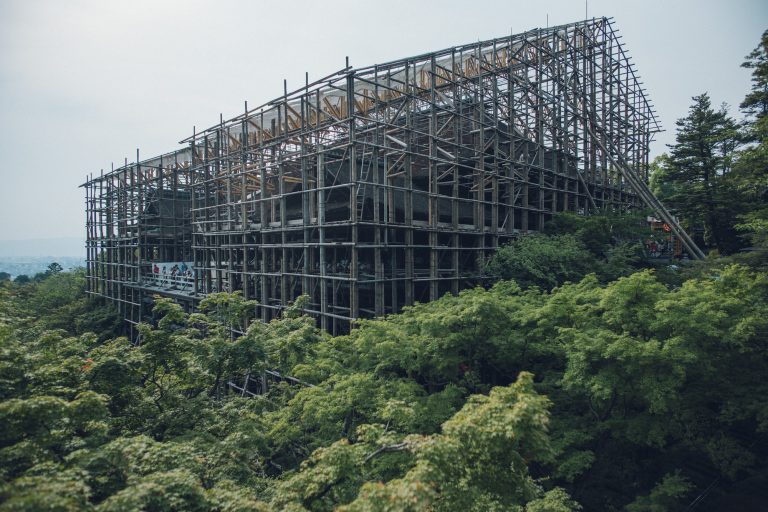
Since its foundation, the temple has burned down many times. Most of the current buildings were rebuilt by the third Shogun Tokugawa Iemitsu in the early Edo period (1631 to 1633).
The Main Hall (Hondo) of the temple is designated as a national treasure. The temple has many other important cultural properties including the Deva gate, west gate, three-storied pagoda and bell tower. In 1994, it was registered on the UNESCO World Cultural Heritage List as one of the Historic Monuments of Ancient Kyoto.
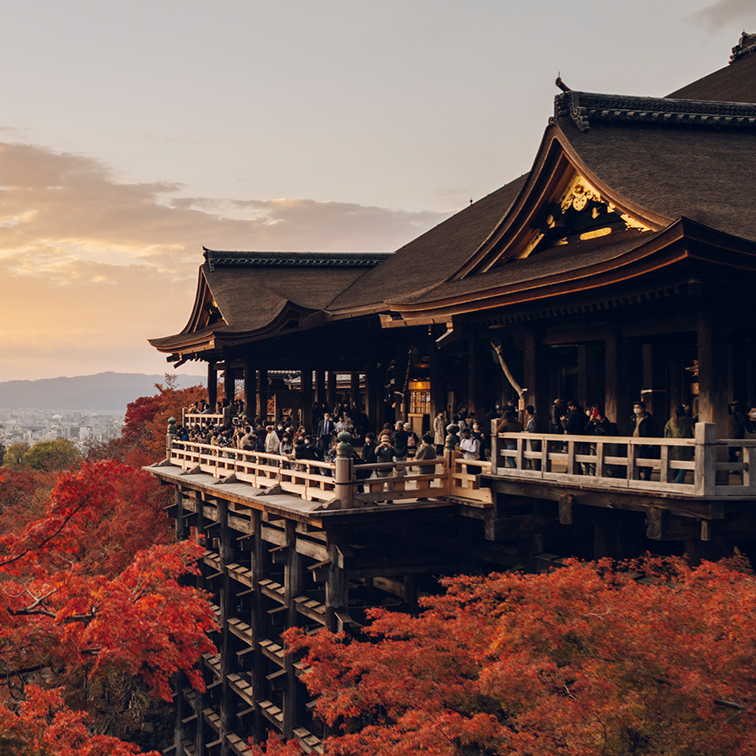
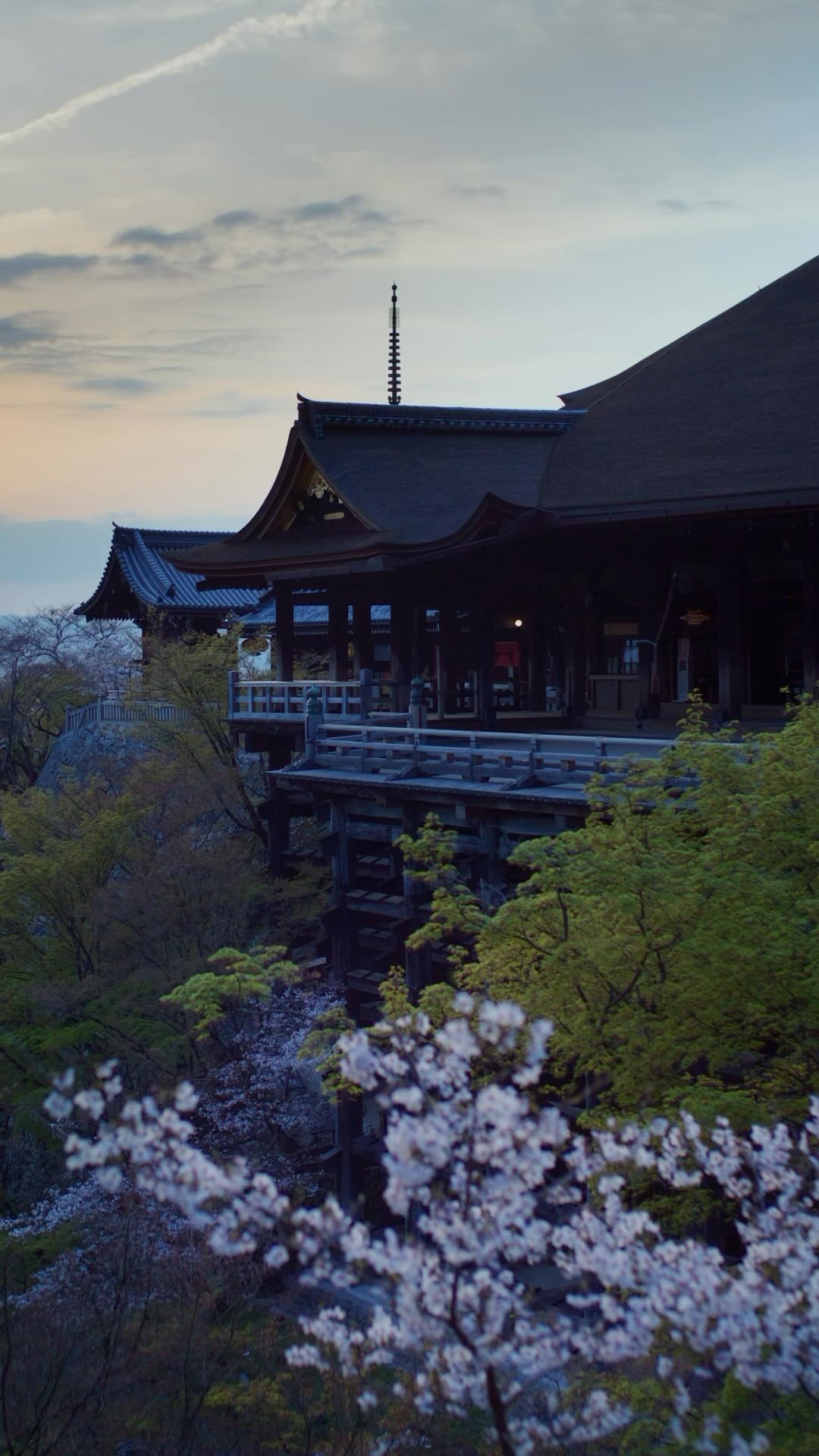
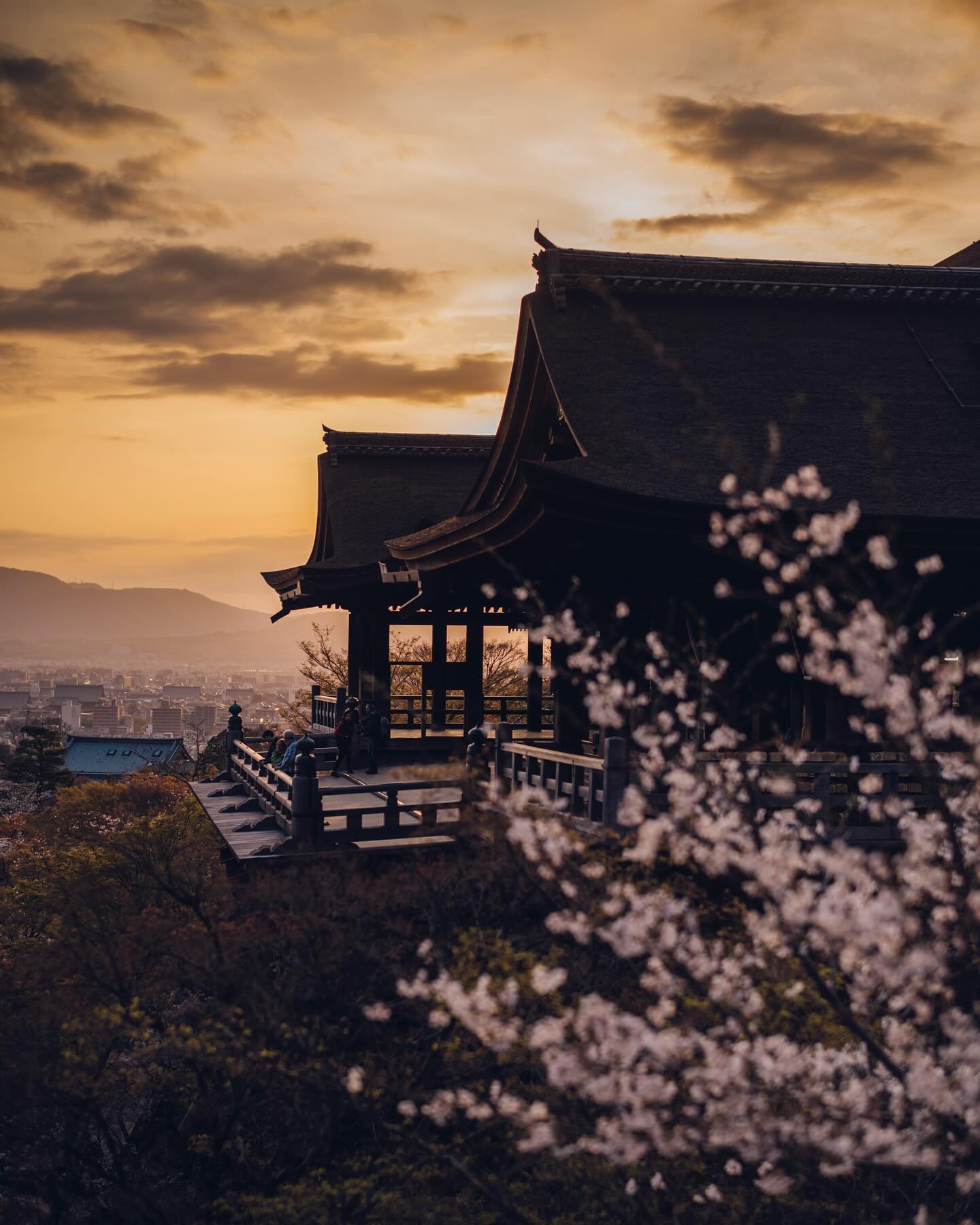
The two most famous places of the temple are the Main Hall, where the Eleven Headed and Thousand Armed Kannon Bodhisattva - which is famous for the power of answering prayers - is enshrined and Kiyomizu Stage, which is the veranda of the Main Hall extended over a precipice.
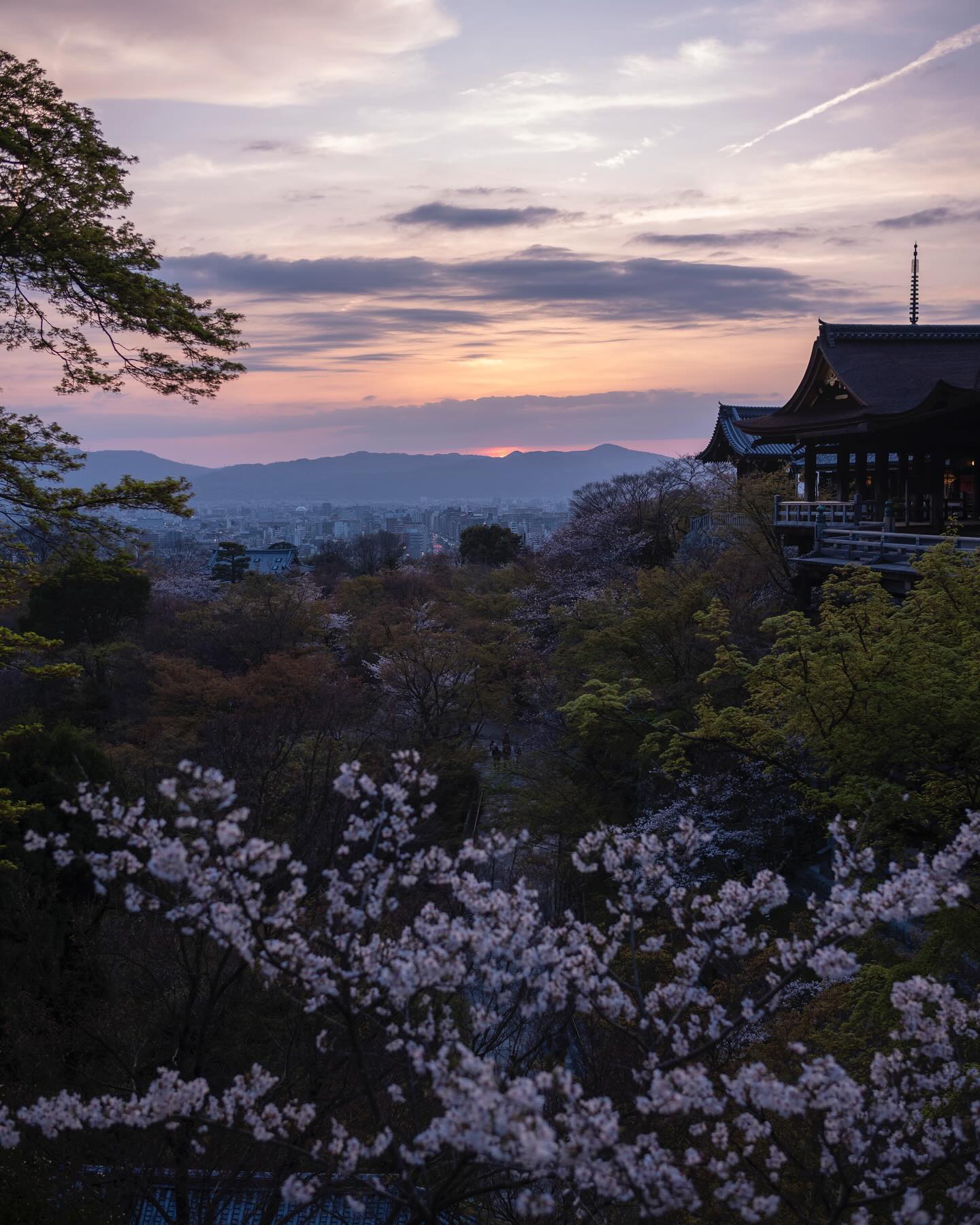
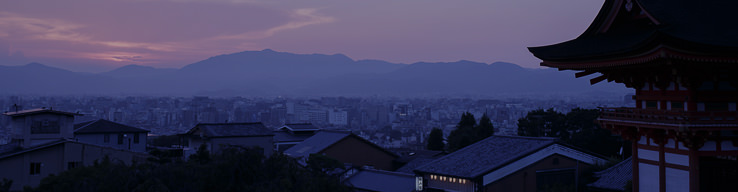
Kiyomizu Stage was built using a special method; huge 12-meter high keyaki (Japanese Zelkova) pillars were assembled without using a single nail and the floor was installed using more than 410 cypress boards. The View of the city center of Kyoto from the Stage is magnificent.
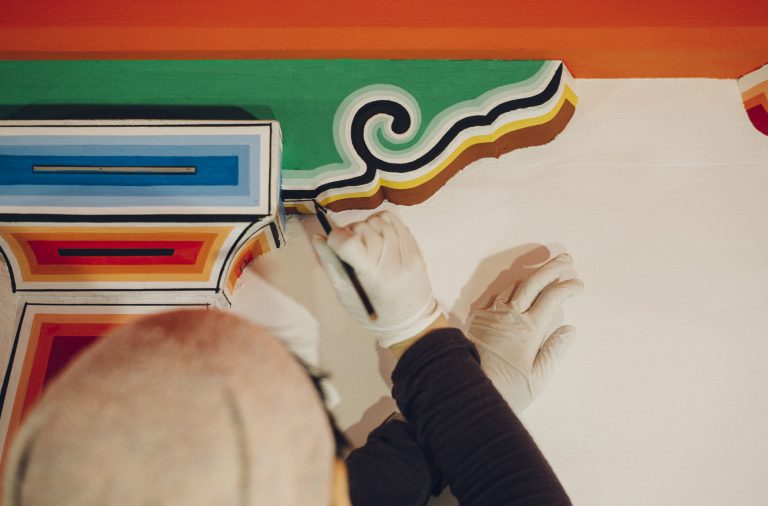
Kiyomizu-dera (the temple of clear water) was named after Otowa Waterfall. Water from a spring in the mountain has been falling there since its foundation. Fifteen colorfully-painted halls and pagodas stand in its verdant precincts.
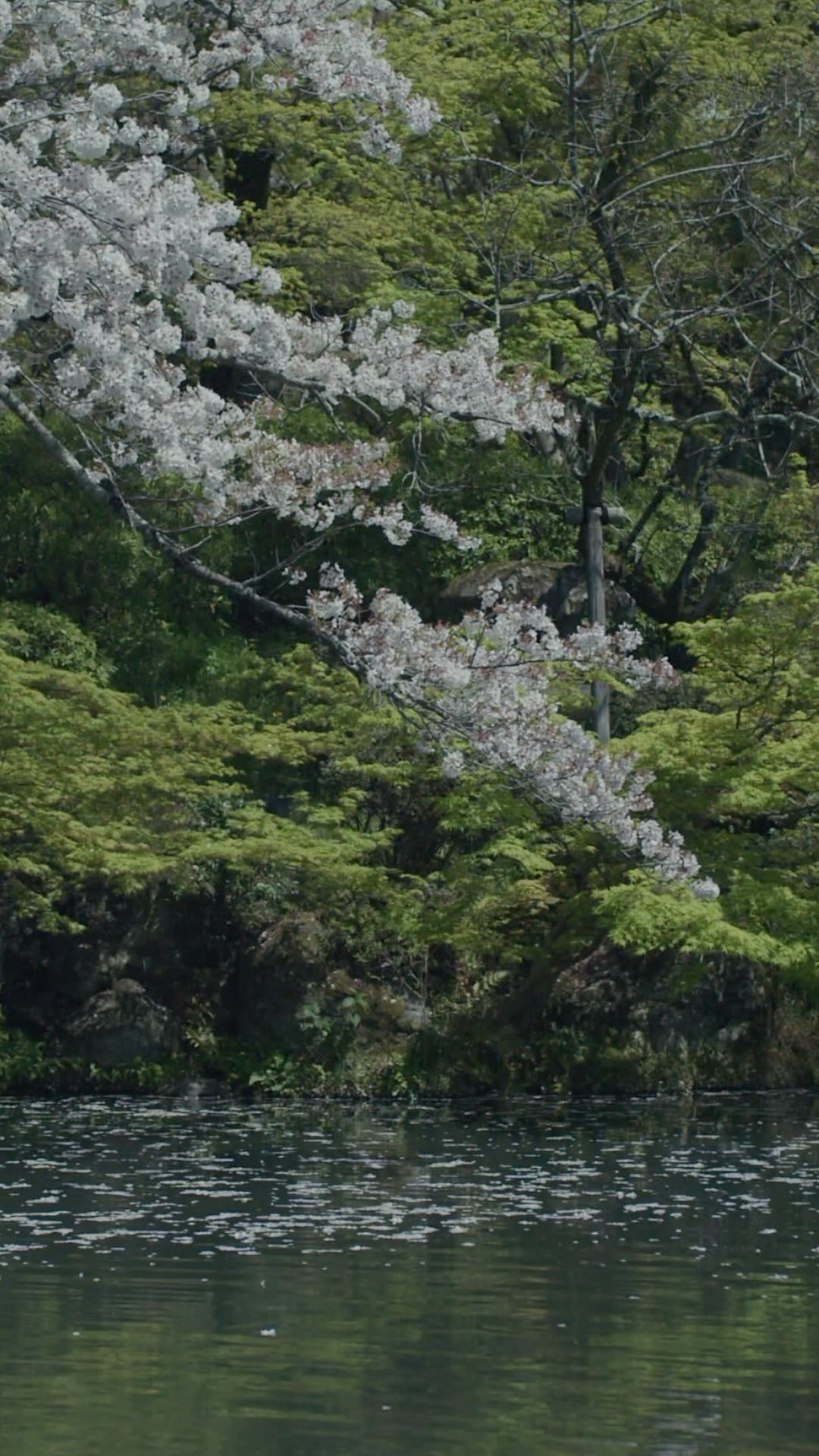
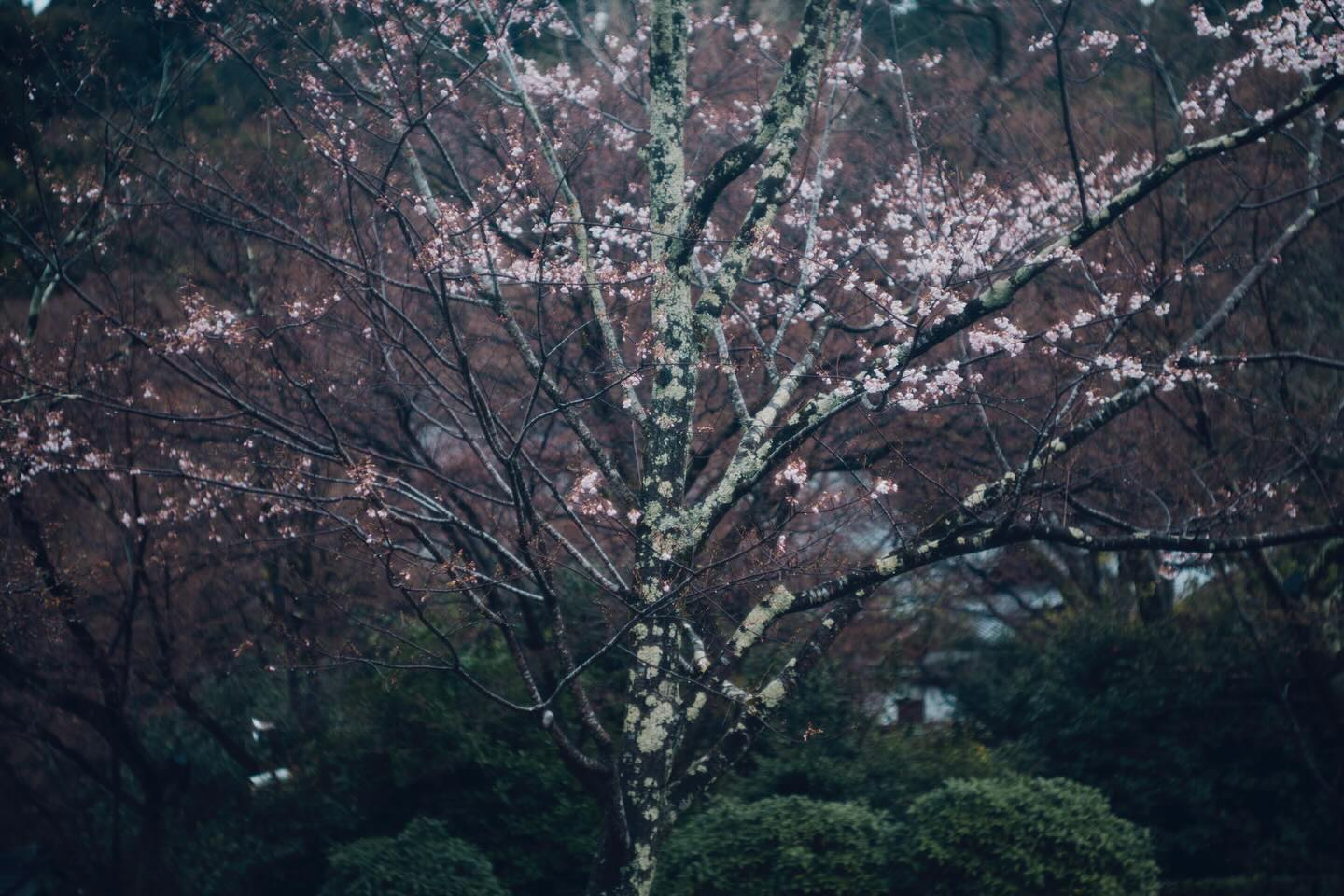
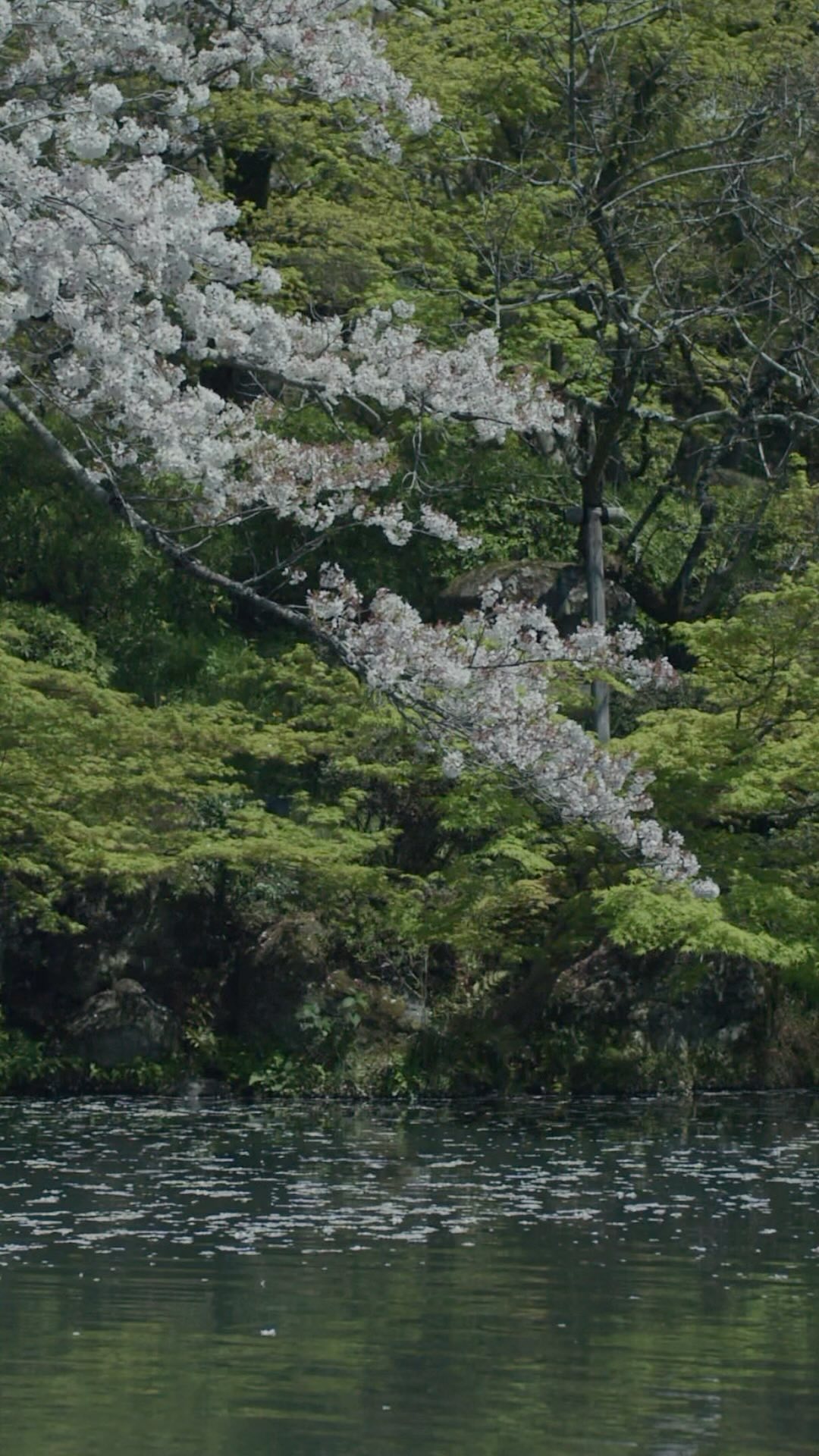
The beauty of Kiyomizu-dera is enhanced by the cherry blossoms and fresh verdure in spring and colored leaves in autumn. It is well known as a landscape that represents Kyoto.
It would be our pleasure if you took the time to visit and deepen your understanding of the Japanese culture and spirit.

-
- adults 300 yen/
primary and junior high school students 200 yen - adults 400 yen/
primary and junior high school students 200 yen
- adults 300 yen/

- Kiyomizu-dera Temple opens at 6:00 in the morning, but closing time varies depending on the season. During the season of special night opening, the gate is closed once at the ordinary closing time and later re-opened. For details, see the table below:
Opening Hours for 2013 * Periods of special night opening change every year.
| Period | Ordinary opening hours | Special night opening hours | ||
|---|---|---|---|---|
| Opened at | Closed at | Opened at | Cut-off time | |
| From Jan. 2 to Mar. 7 | 6:00 | 18:00 | - | - |
| From Mar. 8 to 17 (Special night opening in spring) |
6:00 | 17:30 | 18:30 | 21:30 |
| From Mar. 18 to 21 | 6:00 | 18:00 | - | - |
| From Mar. 22 to Apr. 7 (Special night opening in spring) |
6:00 | 17:30 | 18:30 | 21:30 |
| Weekdays from Apr. 8 to Jul. 31 | 6:00 | 18:00 | - | - |
| Sat., Sun. and holidays from Apr. 8 to Jul. 31 | 6:00 | 18:30 | - | - |
| From Aug. 1 to 13 | 6:00 | 18:30 | - | - |
| From Aug. 14 to 16 (Special night opening in summer) |
6:00 | 18:00 | 19:00 | 21:30 |
| From Aug. 17 to Sep. 30 | 6:00 | 18:30 | - | - |
| Weekdays from Oct. 1 to 31 | 6:00 | 18:00 | - | - |
| Sat., Sun. and holidays from Oct. 1 to 31 | 6:00 | 18:30 | - | - |
| From Nov. 1 to 14 | 6:00 | 18:00 | - | - |
| From Nov. 15 to Dec. 8 (Special night opening in autumn) |
6:00 | 17:30 | 18:30 | 21:30 |
| From Dec. 9 to 30 | 6:00 | 18:00 | - | - |
| Dec. 31 (the bells on New Year's Eve) | 6:00 | 18:00 | Around 22:00 | Open all night |
| Jan. 1 (New Year's temple visit) | Open all night | 18:00 | - | - |
- From JR Kyoto Station
- City Bus (Kyoto Transportation Bureau): Get off at the Gojozaka Stop on Route 206 bound for Higasihama-dori Kitaoji Bus Terminal or Route 100 bound for Kiyomizu-dera Gion/Ginkaku-ji and walk 10 minutes.
- Kyoto Bus (operation on Saturdays and holidays only): Get off at the Higashiyama Gojo Stop on Route 18 bound for Ohara and walk 10 minutes.
- From Kiyomizu Gojo Station on the Keihan Line
- Approximately 25 minutes on foot
- From Kawaramachi Station (Shijo Kawaramachi) on the Hankyu Line and Gion Shijo Station on the Keihan Line
- City Bus (Kyoto Transportation Bureau): Get off at the Kiyomizu-michi Stop on Route 207 bound for Tofukuji/Kujo Shako and walk 10 minutes.
- Keihan Bus: Get off at the Kiyomizu-michi Stop or the Gojozaka Stop on Route 83, 85, 87, 88, 88, etc. and walk 10 minutes.
- From Shichijo Station on the Keihan Line
- City Bus (Kyoto Transportation Bureau): Get off at the Gojozaka Stop on Route 206 bound for Higasihama-dori Kitaoji Bus Terminal or Route 100 bound for Kiyomizu-dera Gion/Ginkaku-ji and walk 10 minutes.
- About parking
-
There is no parking at the site of Kiyomizu-dera.
Kyoto City Parking (phone: 075-561-4601) and private parking lots can be found at the foot of the entrance path and nearby.
However, they may be full in high seasons. It is recommended that you use public transportation or a taxi.